In short
For the facade of a Montreal plex, repointing the brick joints usually costs $15,000 to $30,000. How hard the old joints are to clear out and how easy it is to reach the facade change the working time, and so the price. It's time to act when the mortar crumbles, when the joints empty out, when bricks come loose or when white or dark stains appear. Done right, new joints easily last 40 years or more.
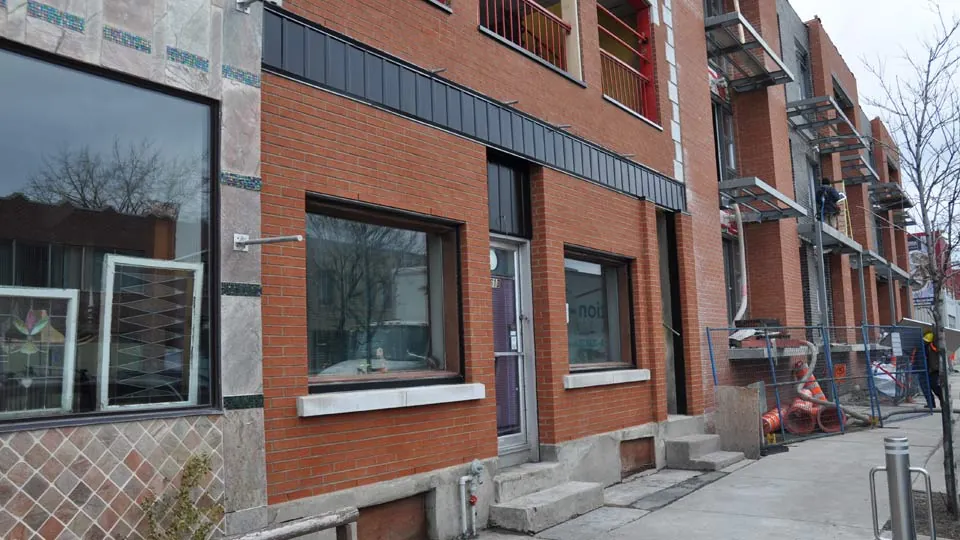
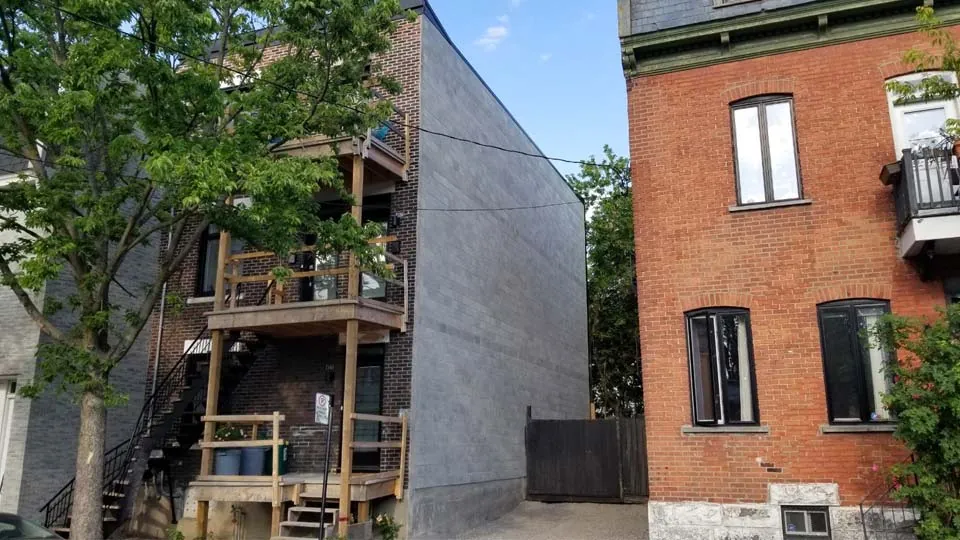
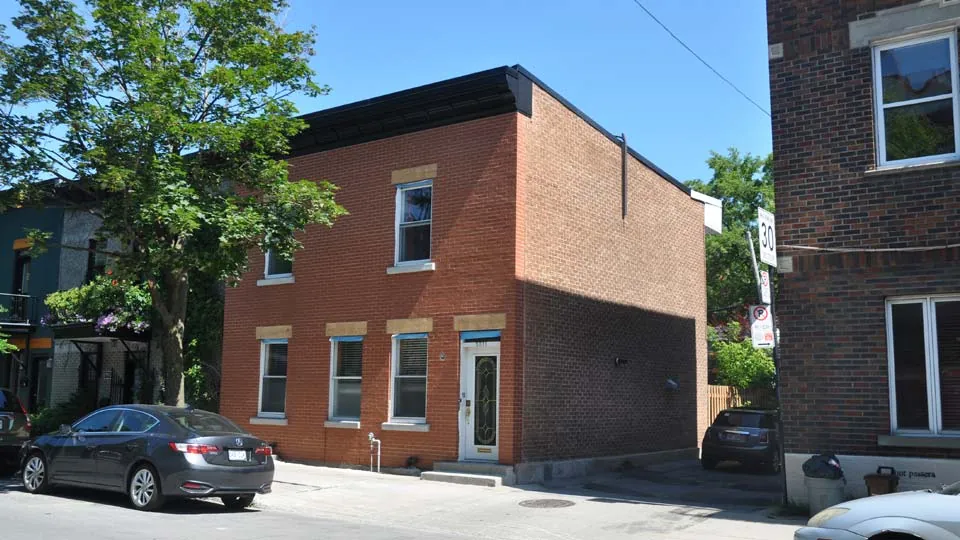
The Plateau-Mont-Royal, Rosemont, Villeray, Hochelaga-Maisonneuve: Montreal's streets are lined with brick plexes, often a century old. On these facades, the brick lasts a long time. It's the mortar between the bricks that wears out first. Repointing means clearing out the worn joints deeply, then filling them with new mortar. Cam Construction has been doing this work in Montreal since 1991.
Part of the wall or the whole facade?
You can redo just part of the wall, where it is most damaged. That's better than doing nothing. But the ideal is still to redo the joints of the whole facade: the result is even and looks better.
What about damaged bricks?
Damaged bricks are replaced with recycled bricks, often very similar to the original ones. We work with business partners who keep a lot of old bricks for this kind of repair. That detail is what makes an attractive repair of your facade possible. See our brick repointing service
How much does it cost?
Here is the ballpark figure for a Montreal building. Every facade is different: only an on-site estimate gives the exact price.
| Work | Usual price |
|---|---|
| Repoint the brick joints of a plex facade | $15,000 to $30,000 |
Range given by Cael Camirand, General Director of Cam Construction. How hard the joints are to clear out and access to the facade make the difference between the low and the high end of the range.
There is often other work to do on a facade at the same time. Since the scaffolding is already up and our other trades are on site, it's the right time to group the work together (see below).
What makes the price vary
- How hard the old joints are. Before laying new mortar, the old mortar has to be cleared out. The harder the old joint, the longer it takes to clear out, and the higher the bill.
- Access to the facade. The height of the building and the space around it change how long the work takes. We work from scaffolding, which gives us safe access everywhere.
Signs that the joints need to be redone
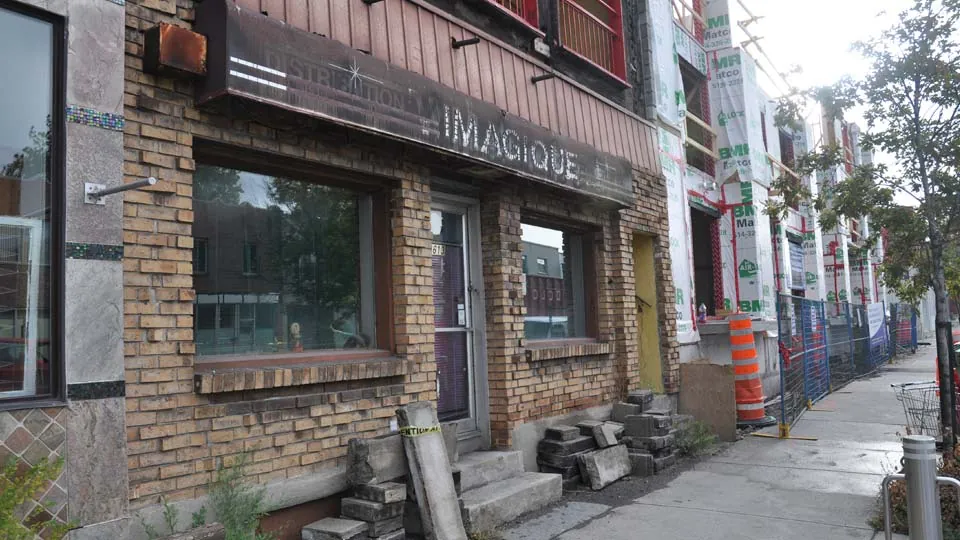
A worn joint isn't just a question of looks. Here is what to watch for on your facade.
Crumbling mortar
The joint is falling apart. This is the first sign of wear.
Joints emptying out
The mortar recedes or disappears between the bricks.
Loose bricks
In places, bricks are no longer held firmly by the mortar.
White or dark stains
White or dark marks on the brick are a sign of water infiltration.
If water is already getting into the wall, also see our masonry cleaning service.
Mortar and sealers: what we recommend
Lime or cement mortar?
The mortar has to suit the brick. Most bricks in Montreal are dense enough for a 6-1-1 mortar to be used for repointing. Some very soft bricks call for a lime-based mortar instead, such as Restomix. That's why we look at the brick before choosing the mortar.
Should you apply a sealer or a water repellent afterwards?
In Montreal, never. Old buildings are designed to let moisture escape through their walls. Sealing a century-old facade is a very bad idea.
One exception: block side walls. They need a coating with a certain degree of permeance: rainproof on the outside, but able to let moisture escape. Acrylic coatings applied to the block are a good way to achieve this performance.
The rules in Montreal
In most boroughs, you don't need a permit to repair an existing element. The City of Montreal states that you don't need a permit to maintain or repair the cladding of an exterior wall, including repointing masonry (City page on repairing exterior cladding, checked in November 2026). Choose your borough on that page: the rules aren't the same everywhere.
In some areas, such as Outremont, a permit may be required even for simple repointing. Before we start, we check your borough's requirements and apply for the permit for you if needed. Learn more about our permit application service
Season and lifespan
Mortar needs mild temperatures. That's why we avoid winter for repointing brick. Plan your work for the warm season.
Properly applied, a new joint easily does its job for 40 years or more.
The mistake we often see
Before calling us, some owners have already tried to repair their joints themselves. "Some people apply a thin layer of mortar over the existing joint. It doesn't work: it comes off in the short term," explains Cael Camirand.
A lasting joint is done in three steps:
- Clear out deeply. The rule: dig out twice the thickness of the joint.
- Wet the joint. The joint is moistened before the new mortar goes in.
- Pack it well. The mortar is pressed firmly all the way into the joint.
Make the most of the scaffolding
Think about having everything that needs doing on your facade done at the same time. Once our scaffolding is up, we have safe access everywhere. Our multidisciplinary team can take care of all the maintenance of the facade:
- painting;
- the joints around doors and windows (see our caulking service);
- the cornice and the mansard roof;
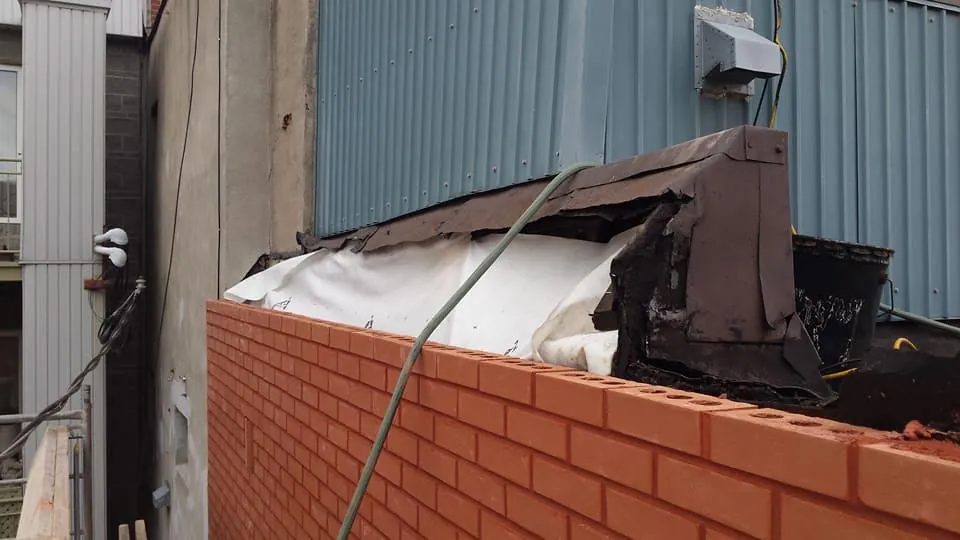
- the roof parapet;
- the expansion joint of the party wall.
Before you sign
- The RBQ licence. Check the contractor's licence with the Régie du bâtiment du Québec. Cam Construction's: 2854-6760-18.
- Certification. Cam Construction is an APCHQ-certified contractor.
- The permit. Ask who checks whether a permit is needed and who applies for it. At Cam Construction, we take care of it.
- The method. Ask how deep the old joints will be cleared out, what mortar will be used for your brick and whether a sealer is planned. Good repointing clears out the joints to twice their thickness, uses a mortar suited to the brick and doesn't seal an old facade.